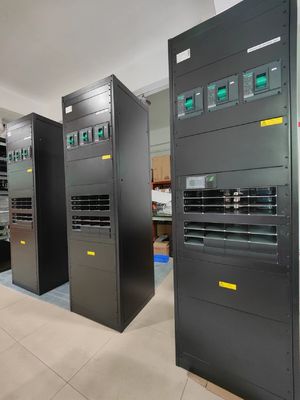
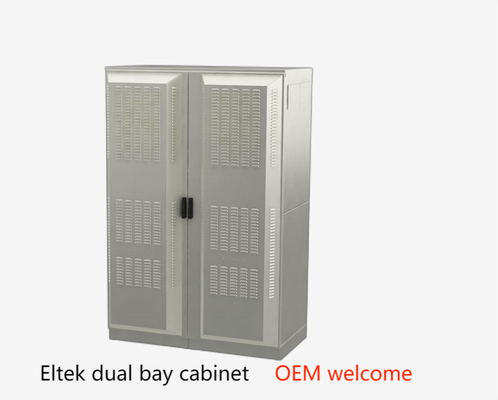
In tropical rainforest climates and monsoon-prone regions across Asia, telecom base stations and outdoor edge enclosures face exceptionally harsh natural and electrical challenges. On one hand, seasonal severe thunderstorms trigger frequent grid surges and transient high-voltage spikes; on the other hand, weak municipal grids in remote or fringe areas suffer from chronic brownouts and severe voltage sags.
Under these combined adverse operating conditions, standard voltage-regulating or conventional power systems are highly vulnerable to surge-induced failures or frequent shutdowns caused by input voltage out-of-range events. Consequently, deploying 2U embedded rectifier systems featuring ultra-wide input voltage ranges and robust surge protection (SPD) has become a core engineering strategy for Asian telecom cabinet integration.
Power and Environmental Challenges in Asian Outdoor Enclosures
1. Transient Voltage Fluctuations in Weak Grids
Remote base stations in developing regions across Asia endure chronic mains instability. During peak hours, local grids frequently experience deep voltage sags. Without a wide input tolerance at the power front-end, systems are prematurely forced onto battery backup, shortening battery lifespan and risking operational downtime.
2. High-Energy Surges and Equipment Safety During Storm Seasons
Induced lightning strikes accompanying severe thunderstorms easily couple into outdoor enclosures via AC power lines, posing a critical threat to front-end rectifiers, controllers, and backend loads. Cabinets lacking comprehensive surge protection architecture (SPD) exhibit significantly higher annual failure rates.
Technical Architecture and Parameters of 2U Wide-Input Rectifier Systems
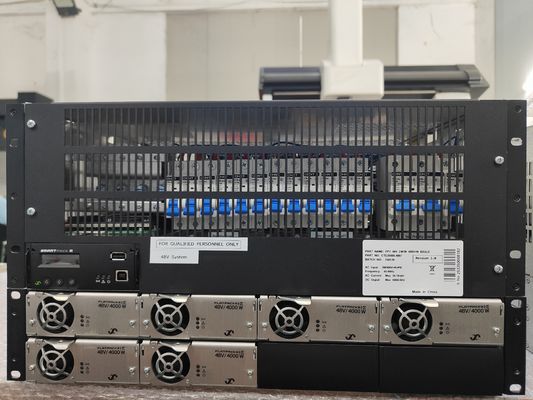
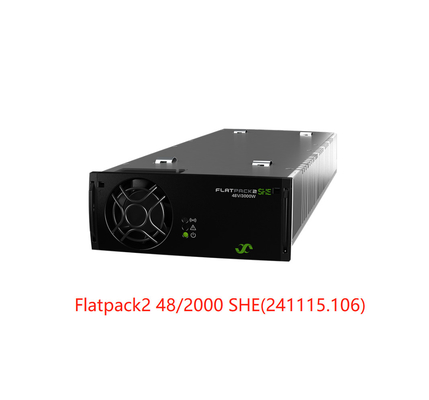
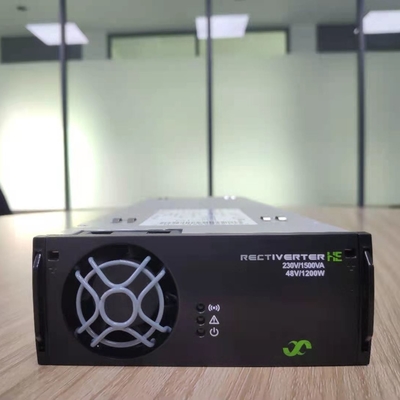
To counter complex grid environments and thunderstorm conditions in Asia, integrated 2U power systems (such as 2kW/3kW configurations) incorporate several key protection and topological features:
1. Wide AC/DC Input Range and Grid Adaptability
-
Input Voltage Tolerance: Fully supports an ultra-wide input range of 85 to 300 Vac/Vdc. Even under severe brownout conditions, the system maintains continuous, stable operation without dropping loads.
-
Multi-Phase Compatibility: Accommodates various regional grid standards, including single-phase 115Vac/230Vac and three-phase 230Vac/400Vac TN or IT grounding configurations.
2. Integrated Surge Protection (SPD Options) Architecture
-
Lightning and Surge Suppression: For thunderstorm-heavy environments, the system accommodates integrated front-end Surge Protection Device options (such as Citel or Weidmuller SPD modules complete with terminal blocks and pre-fabricated cable looms).
-
SPD Alarm Monitoring: Features dedicated digital inputs (SPD Alarm Optional) to report surge protection health directly to the system controller, ensuring preventive maintenance prior to catastrophic failure.
3. High-Voltage Electrical Isolation and Safety Compliance
-
Isolation Standards: Supports flexible DC output tiers spanning 24Vdc to 125Vdc. For systems operating above 60Vdc, strict safety isolation compliance is enforced by removing resistor R1 from the backwiring PCB and linking CON 21 to GND, eliminating high-voltage noise coupling into control and communication paths.
4. Robust Synergy via SmartPack2 and CAN Bus Architecture
-
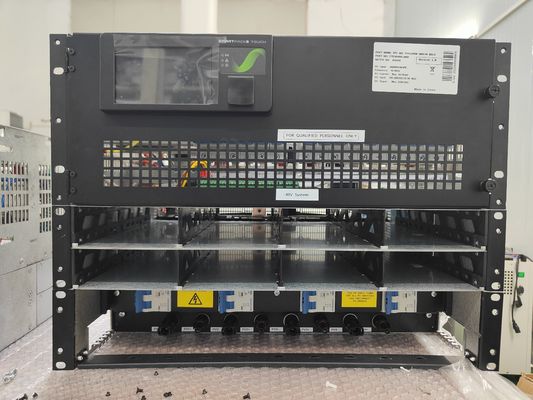
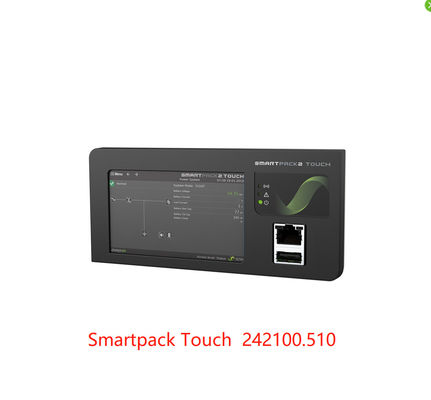
EMI-Resilient Control Core: Driven by the SmartPack2 digital controller (Basic, Master, or Touch) paired with I/O Monitor Type 2 units.
-
CAN Bus Termination: Internal and external interconnections rely on a multi-drop CAN Bus protocol (CAN1/CAN2/CAN3) equipped with dedicated physical end-of-line termination resistors, ensuring immunity against lightning-induced electromagnetic pulses (LEMP) and safeguarding telemetry data integrity.


 귀하의 메시지는 20-3,000 자 사이 여야합니다!